
RIMAYS insights
Agenda IMTF2030 Perkasa Komuniti dan Ekonomi India Muslim
The International Muslim Trade Federation (IMTF) 2030 agenda aims to strengthen the Indian Muslim community and economy through strategic initiatives.

As Malaysia continues its journey towards sustainable development, understanding global movements that impact local communities becomes essential. The International Muslim Trade Federation's (IMTF) 2030 agenda is gaining attention for its potential to bolster both the Indian Muslim community and their economic landscape. This article explores how this initiative could influence regional dynamics and what it means for stakeholders in Malaysia.
Understanding the IMTF2030 Agenda
The IMTF2030 agenda focuses on fostering collaboration among Islamic nations to enhance trade opportunities while promoting social cohesion within Muslim-majority regions. By leveraging shared cultural values and religious practices, the federation seeks to create a unified front against common challenges such as poverty and inequality. This approach aligns with broader goals of international cooperation seen in other multilateral frameworks like ASEAN or WTO. However, unlike these organizations, IMTF emphasizes faith-based solutions tailored specifically for Muslim populations.
- Promotes cross-border collaboration among Muslims
- Focuses on socio-economic empowerment
- Leverages religion as a unifying factor
Impact on the Indian Muslim Community
For India’s Muslim population, which constitutes around 14% of the country's total populace according to recent census data, the IMTF2030 agenda presents new avenues for growth. Through targeted investments in education, healthcare, and small business development programs, members can access resources previously out-of-reach due to geographical barriers or lack of funding mechanisms. Moreover, by integrating digital technologies into traditional industries—such as halal food production—the initiative aims to modernize supply chains without compromising ethical standards.
- Opportunities for economic diversification
- Access to global markets through digital integration
- Enhanced educational and health services
Economic Implications for Malaysia
Malaysia stands at an intersection where its multicultural society meets growing interest from Islamic financial institutions worldwide. As part of this trend, local businesses may benefit significantly if they adopt practices aligned with IMTF guidelines—which could open doors to lucrative contracts within emerging markets across South Asia and beyond. However, there are concerns about potential regulatory overlaps between existing frameworks such as MARA (Ministry of Higher Education) initiatives versus those proposed under IMTF2030. Ensuring clarity regarding jurisdiction will be crucial moving forward.
- Potential alignment with Malaysian trade policies
- Need for clear regulatory boundaries
- Opportunity for SMEs to expand internationally
Conclusion
The IMTF2030 agenda represents a significant step towards strengthening both the Indian Muslim community and their economy through strategic collaboration rooted in shared faith values. While challenges remain around implementation details and cross-border regulations, early engagement can position stakeholders advantageously against future opportunities presented by these developments.
Stay informed on how RIMAYS supports your business growth amidst evolving international trade dynamics.
Artikel berkaitan
RIMAYS insights
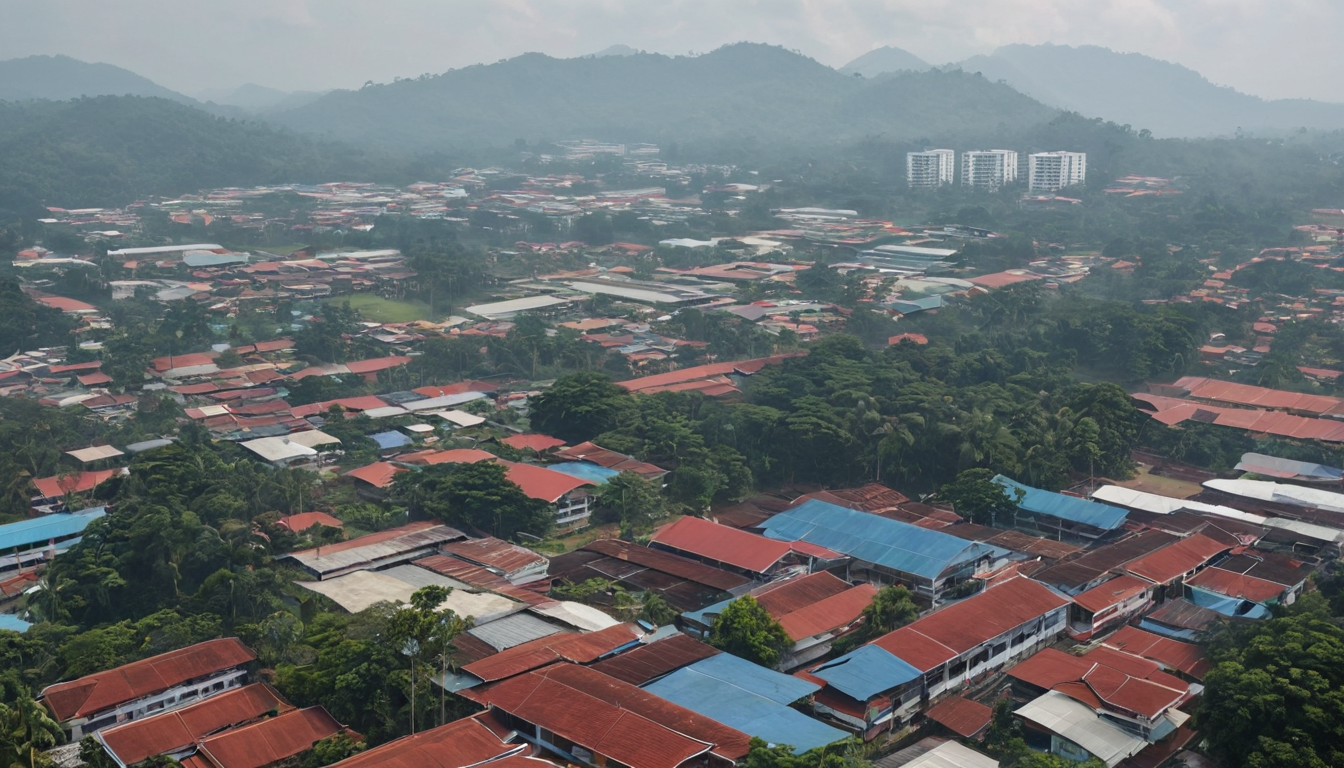
Jerebu: Semua Sekolah Di Negeri Sembilan Ditutup Esok
In response to rising haze levels, all schools in Negeri Sembilan will be closed tomorrow as announced by local authorities.
Ir. Ts. Dr. Mohamad Syamir bin Senin.
RIMAYS insights
Three Strategic Priorities to Strengthen National Economy
Exploring the key strategic priorities identified by Malaysian authorities to bolster economic resilience and competitiveness.
Ir. Ts. Dr. Mohamad Syamir bin Senin.
RIMAYS insights
RUU Pusat Data Dibentang ke Jemaah Menteri Tahun Depan
Malaysia is set to introduce the Central Data Act (RUU Pusat Data) in early 2027 as part of its digitalisation strategy.
Ir. Ts. Dr. Mohamad Syamir bin Senin.