
RIMAYS insights
Balancing Technology and Human Touch in Hajj Management - Zulkifli's Perspective
A critical analysis of the need to integrate digitalisation with personalised service in managing the Hajj pilgrimage.
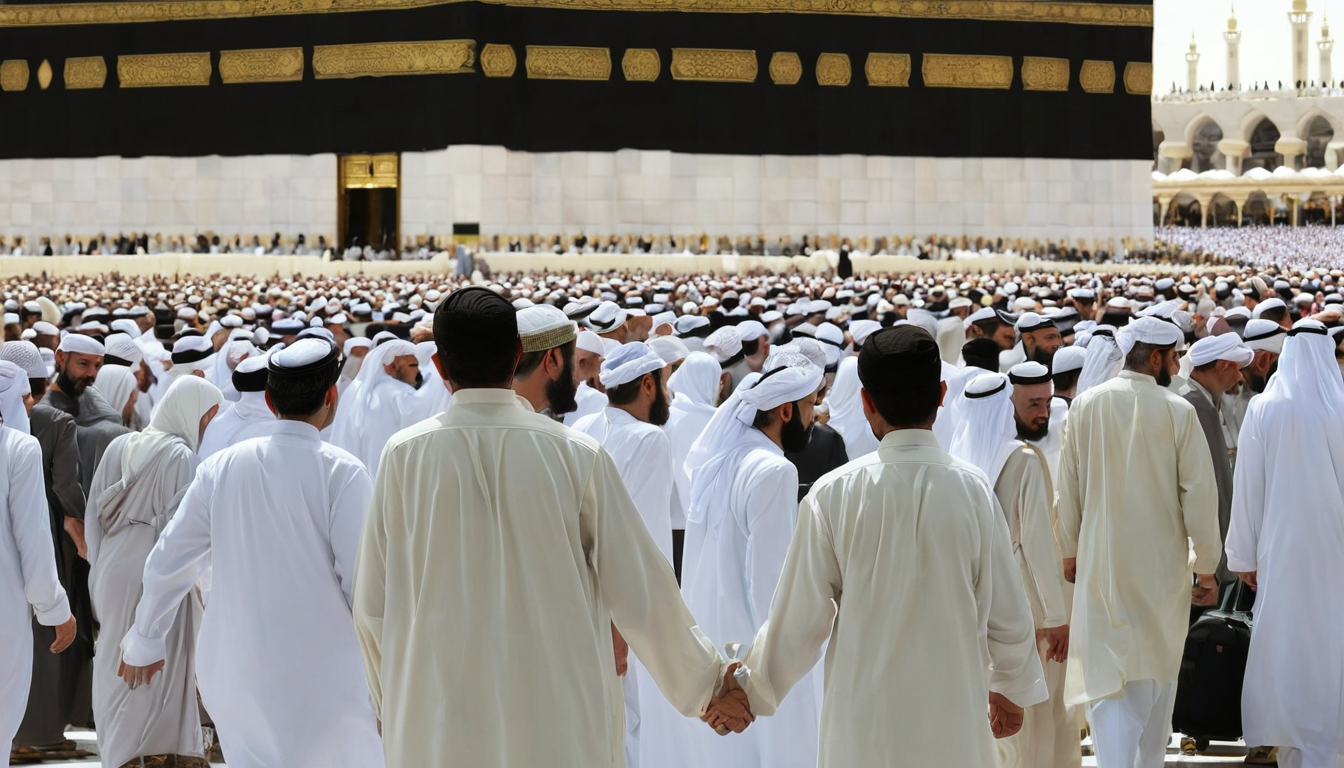
The management of the Hajj pilgrimage requires a delicate balance between technological advancement and human interaction, according to Zulkifli. As Malaysia continues its journey towards digital transformation, ensuring that this progress does not overshadow the essential human elements remains crucial for effective service delivery.
Digital Transformation in Hajj Operations
The integration of technology into Hajj operations has streamlined processes such't as registration, documentation, and real-time monitoring. This shift aligns with broader national efforts toward digitalisation, which aim to enhance efficiency and transparency.
- Technology improves operational efficiency
- Digital tools support real-time data tracking
Maintaining Personal Interaction
While automation offers convenience, maintaining meaningful human interactions is vital. Zulkifli highlights that personalised attention ensures pilgrims receive tailored guidance, especially during complex rituals like Tawaf and Sa'i.
- Personalised services are critical for pilgrim experience
- Human touch enhances ritual understanding
Challenges in Balancing Both Approaches
Striking the right equilibrium presents challenges. Over-reliance on technology may lead to impersonal experiences, while insufficient digitisation can hinder scalability. Experts suggest regular assessments to adapt strategies based on evolving needs.
- Over-automation risks depersonalisation
- Insufficient tech adoption limits scalability
Role of RTM in Supporting Digital Transition
RTM's role in aiding public adaptation to AI-driven systems underscores the importance of training and awareness programs. These initiatives help bridge the gap between technological advancement and user readiness.
- Training programs facilitate smoother transitions
- Awareness campaigns boost public trust
Future Outlook for Hajj Management
Looking ahead, a hybrid model combining both digital solutions and human oversight seems promising. This approach not only meets current demands but also prepares for future complexities through continuous innovation and stakeholder collaboration.
- Hybrid models offer sustainable solutions
- Collaboration drives long-term success
Conclusion
The successful management of Hajj requires an intentional balance between leveraging digital tools and preserving personal connections. As Malaysia advances its digital agenda, prioritising this synergy will ensure that technological progress serves as a complement rather than a replacement for essential human elements.
Explore how RIMAYS supports organisations in achieving balanced digital transformation with expert guidance tailored to your industry.
Sources
Artikel berkaitan

RIMAYS insights
Jerebu: Semua Sekolah Di Negeri Sembilan Ditutup Esok
In response to rising haze levels, all schools in Negeri Sembilan will be closed tomorrow as announced by local authorities.
Ir. Ts. Dr. Mohamad Syamir bin Senin.
RIMAYS insights
Three Strategic Priorities to Strengthen National Economy
Exploring the key strategic priorities identified by Malaysian authorities to bolster economic resilience and competitiveness.
Ir. Ts. Dr. Mohamad Syamir bin Senin.
RIMAYS insights
RUU Pusat Data Dibentang ke Jemaah Menteri Tahun Depan
Malaysia is set to introduce the Central Data Act (RUU Pusat Data) in early 2027 as part of its digitalisation strategy.
Ir. Ts. Dr. Mohamad Syamir bin Senin.