
RIMAYS insights
Formula 1 kembali ke Sepang bakal rancakkan ekonomi Malaysia
The return of Formula 1 to the Sepang International Circuit is set to boost Malaysia's economy through increased tourism and business opportunities.
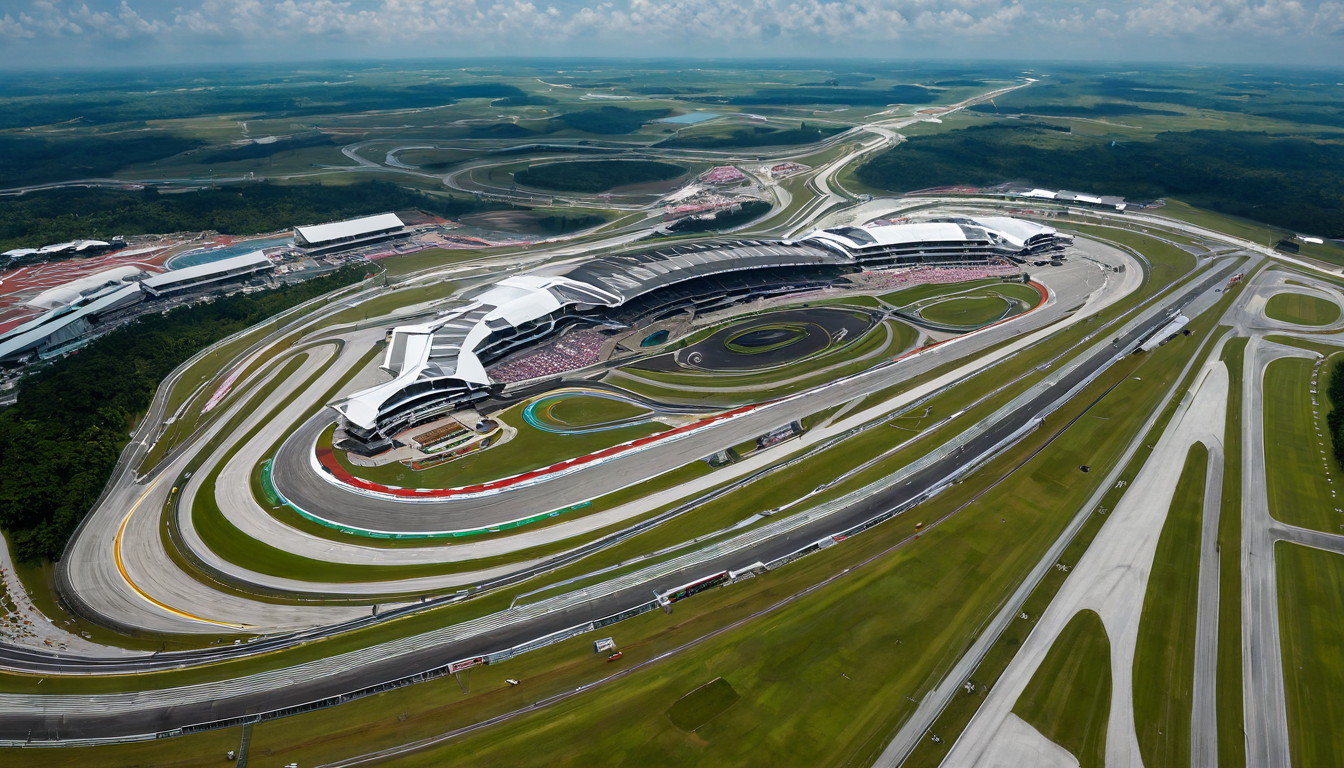
Malaysia stands on the brink of a significant economic opportunity with the potential return of Formula 1 (F1) racing to its iconic Sepang International Circuit. This development could catalyze growth across multiple sectors, offering substantial benefits for local businesses and organizations.
Economic Impact of F1 Return
The reintroduction of Formula 1 to Sepang has the potential to significantly enhance Malaysia's economic landscape by attracting international tourists and generating revenue from hospitality, retail, and transportation industries. While specific figures are yet to be confirmed, industry experts suggest that such events can lead to an increase in visitor numbers and spending during peak periods. According to a report titled 'Formula 1 kembali ke Sepang bakal rancakkan ekonomi Malaysia' published by Bharian.com.my, there is optimism about the event's ability to stimulate various aspects of the Malaysian economy. However, it should be noted that these projections remain speculative at this stage.
- Potential surge in tourist arrivals
- Boost to hospitality sector revenues
- Increased demand for local services
Opportunities for Local Businesses
Local enterprises stand to benefit immensely from the influx of visitors expected during the F1 event. Restaurants, hotels, and souvenir shops may experience heightened sales as fans travel from around the world to witness the races. Additionally, ancillary services like transport logistics and accommodation will likely see increased activity. Businesses operating near the circuit could leverage this opportunity to expand their offerings or improve customer experiences tailored specifically towards race-day attendees. This presents a unique chance for SMEs within Malaysia to showcase their products and services on a larger scale.
- Enhanced visibility for local brands
- Expanded market reach for SMEs
- Improved consumer engagement opportunities
Challenges and Considerations
While the economic benefits are promising, organizers must also address potential challenges such as infrastructure strain, traffic management, and ensuring public safety. Coordinating large-scale events requires meticulous planning to avoid disruptions to daily life while maximizing positive outcomes. Moreover, environmental considerations cannot be overlooked. Sustainable practices should be integrated into event operations to minimize ecological impact without compromising visitor experience. These factors highlight the importance of comprehensive preparation before finalizing plans for the F1 return.
- Need for robust infrastructure planning
- Traffic management strategies required
- Environmental sustainability initiatives needed
Conclusion
The anticipated return of Formula 1 to Sepang International Circuit represents more than just an exciting sporting event; it is poised to become a catalyst for broader economic development in Malaysia. By capitalizing on this opportunity effectively, both national stakeholders and private sector players can contribute significantly toward achieving sustainable growth.
Artikel berkaitan
RIMAYS insights
Jerebu: Semua Sekolah Di Negeri Sembilan Ditutup Esok
In response to rising haze levels, all schools in Negeri Sembilan will be closed tomorrow as announced by local authorities.
Ir. Ts. Dr. Mohamad Syamir bin Senin.
RIMAYS insights
Three Strategic Priorities to Strengthen National Economy
Exploring the key strategic priorities identified by Malaysian authorities to bolster economic resilience and competitiveness.
Ir. Ts. Dr. Mohamad Syamir bin Senin.
RIMAYS insights
RUU Pusat Data Dibentang ke Jemaah Menteri Tahun Depan
Malaysia is set to introduce the Central Data Act (RUU Pusat Data) in early 2027 as part of its digitalisation strategy.
Ir. Ts. Dr. Mohamad Syamir bin Senin.