
RIMAYS insights
Indonesian Court Bans Use of Education Budget for Free Food Programs
An Indonesian court has ruled against using education budgets to fund free food programs, raising questions about resource allocation and policy priorities.
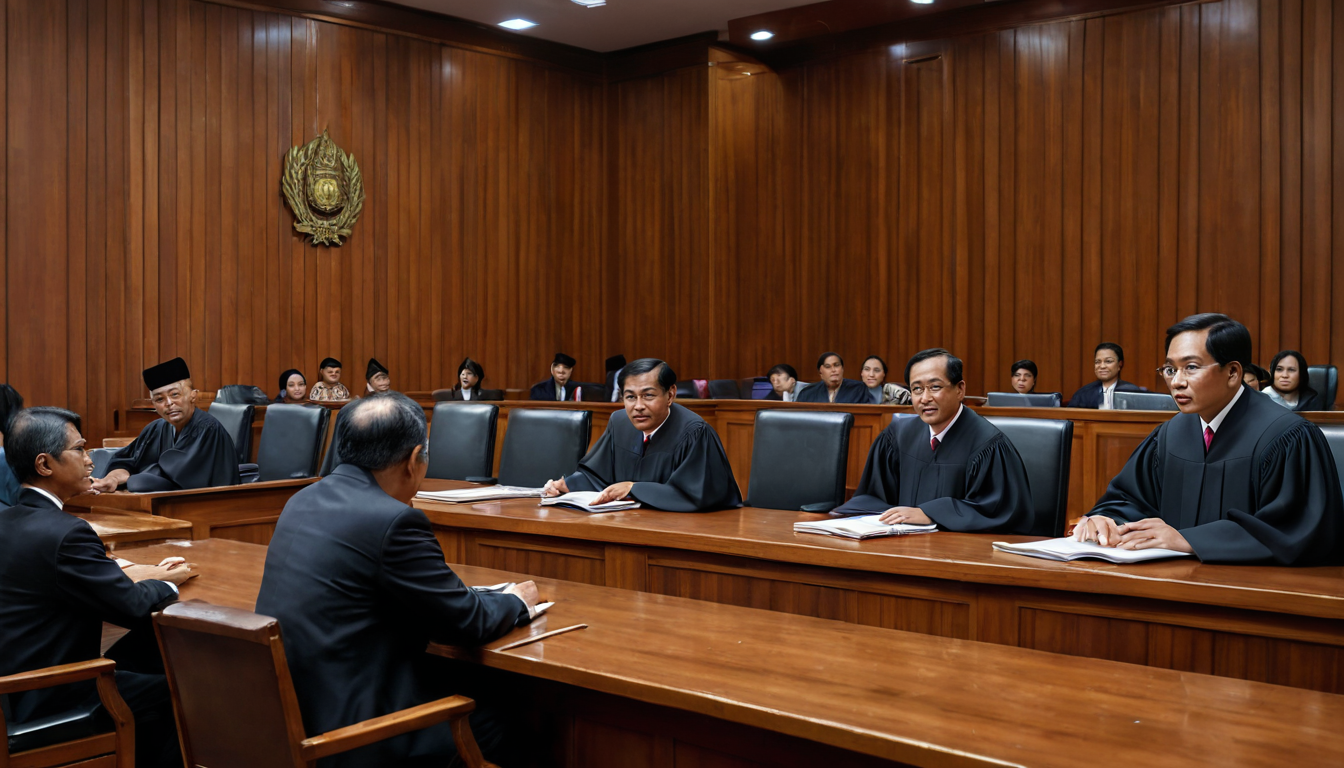
In a recent landmark decision, the Indonesian Supreme Court has issued an injunction prohibiting the use of education sector budgets to subsidize free meal initiatives in schools. This ruling has sparked debate among educators, policymakers, and community leaders regarding the appropriate allocation of public resources.
Court Ruling Details
The High Court of Indonesia's Constitutional Division delivered its verdict on July 15th, 2026, stating that redirecting educational funds to food subsidy programs violates constitutional provisions governing budgetary allocations. The judgment emphasized that each ministry must operate within its designated financial framework.
- Education budget cannot be used for non-educational purposes
- Ministry-specific funding mandates are legally binding
- Constitutional safeguards prevent cross-sector financial transfers
Implications for School Nutrition Programs
This ruling directly impacts school feeding schemes across Indonesia, which have relied heavily on redirected education budgets. While the government maintains these programs are essential for student well-being, legal experts argue this could lead to reduced access for vulnerable students.
- School meal programs may face funding shortages
- Students from low-income families could be disproportionately affected
- Need for alternative funding mechanisms emerges
Potential Solutions and Alternatives
Industry stakeholders suggest exploring partnerships with private sectors and international donors to sustain nutrition programs without compromising educational funding. Some local governments have already initiated pilot projects using corporate sponsorships and volunteer networks.
- Public-private partnerships offer sustainable solutions
- Corporate social responsibility initiatives can fill gaps
- Community-based approaches show promise in resource-limited settings
Conclusion
As Indonesia navigates this complex policy landscape, finding balanced solutions that address both educational needs and nutritional requirements remains critical. Stakeholders must collaborate to ensure no child is left behind while maintaining fiscal integrity.
Stay informed about regulatory changes impacting your business operations.
Artikel berkaitan

RIMAYS insights
Jerebu: Semua Sekolah Di Negeri Sembilan Ditutup Esok
In response to rising haze levels, all schools in Negeri Sembilan will be closed tomorrow as announced by local authorities.
Ir. Ts. Dr. Mohamad Syamir bin Senin.
RIMAYS insights
Three Strategic Priorities to Strengthen National Economy
Exploring the key strategic priorities identified by Malaysian authorities to bolster economic resilience and competitiveness.
Ir. Ts. Dr. Mohamad Syamir bin Senin.
RIMAYS insights
RUU Pusat Data Dibentang ke Jemaah Menteri Tahun Depan
Malaysia is set to introduce the Central Data Act (RUU Pusat Data) in early 2027 as part of its digitalisation strategy.
Ir. Ts. Dr. Mohamad Syamir bin Senin.