
RIMAYS insights
SPRM recommends AI scanning machines at cargo terminals to strengthen hazardous material management
The Malaysian Anti-Corruption Commission (SPRM) has proposed the use of artificial intelligence-powered scanning equipment in cargo terminal operations as a measure to enhance safety and compliance with regulations regarding dangerous goods.
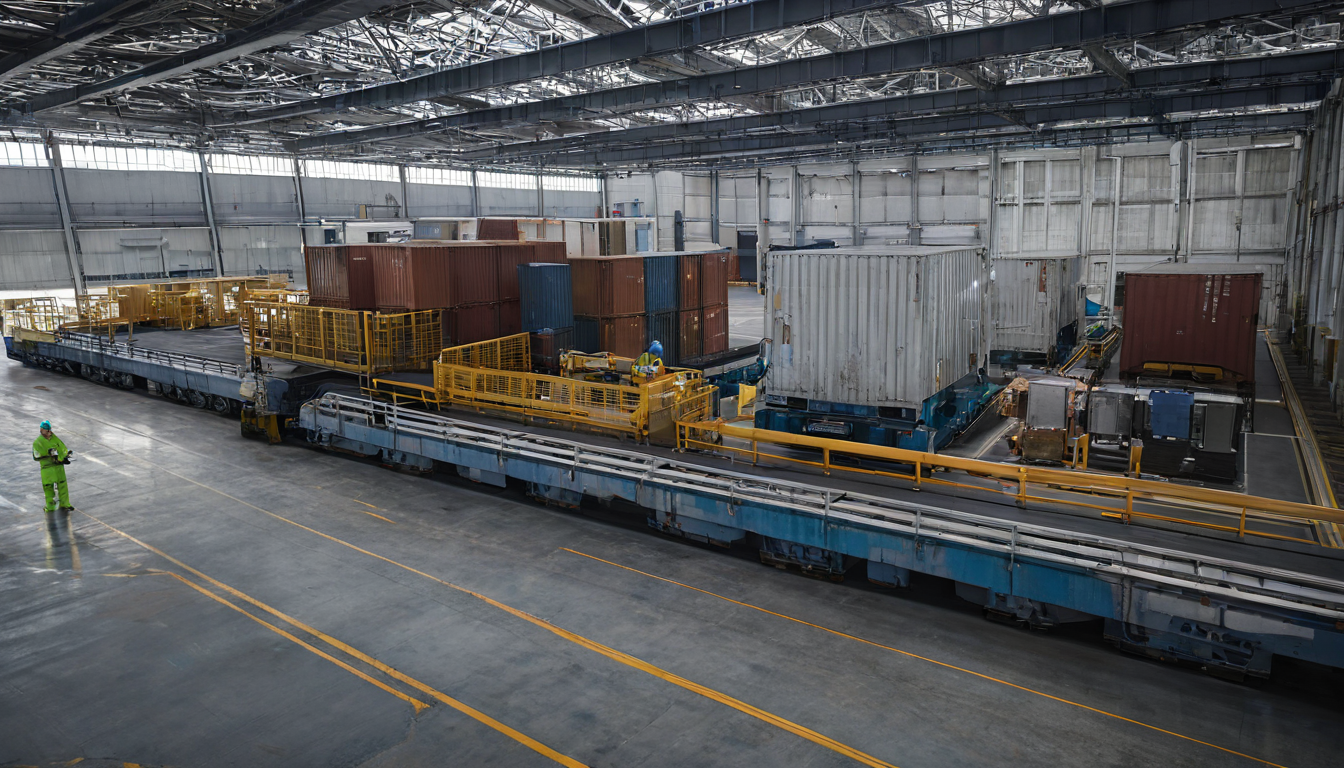
In an effort to bolster workplace safety standards across Malaysia's logistics sector, SPRM has suggested integrating advanced technology into cargo handling processes. This initiative aims to address growing concerns about mishandling of hazardous materials during transportation and storage.
Enhancing Safety Through Technological Innovation
The recommendation by SPRM highlights the increasing role of automation in modernizing industrial practices. By deploying AI-driven scanners capable of identifying potential risks associated with hazardous substances, companies can significantly reduce human exposure to harmful environments. These systems are designed to detect anomalies such as improper labeling, incorrect packaging, or unauthorized items within shipments. Early identification allows for immediate corrective actions which could prevent accidents and ensure adherence to international shipping protocols.
- AI-based scanning improves risk detection capabilities
- Automated checks help maintain regulatory compliance
- Early intervention reduces incident likelihood
Implications for Logistics Operations
Implementing these technologies may lead to more efficient workflows through automated quality control measures. However, there might be initial costs related to infrastructure upgrades and staff training required to operate new systems effectively. Organizations must also consider how this shift affects their existing supply chain strategies. Integrating smart devices requires careful planning to avoid disruptions while ensuring seamless data flow between different operational units.
- Initial investment involves upgrading facilities and workforce education
- Integration needs strategic planning to minimize disruption
- Efficiency gains offset long-term expenses
Industry Response and Future Outlook
Industry stakeholders have expressed mixed reactions towards the proposal. While some welcome the move toward safer working conditions, others raise concerns about implementation challenges and return on investment timelines. Despite these reservations, many experts agree that adopting AI solutions represents a forward-thinking approach aligned with global trends in industrial safety management. As regulations evolve, businesses will need to adapt quickly to remain competitive yet compliant.
- Mixed industry responses reflect varied perspectives on adoption barriers
- Global trend supports integration of intelligent monitoring tools
- Regulatory changes necessitate proactive adaptation by organizations
Conclusion
The SPRM's suggestion marks an important step towards modernizing Malaysia’s logistics sector with enhanced focus on worker protection and regulatory compliance. Businesses should evaluate how best to incorporate such innovations into their operations without compromising efficiency or profitability.
Explore RIMAYS' comprehensive range of occupational health services tailored for your organization today at rimays.com/blog.
Artikel berkaitan

RIMAYS insights
Jerebu: Semua Sekolah Di Negeri Sembilan Ditutup Esok
In response to rising haze levels, all schools in Negeri Sembilan will be closed tomorrow as announced by local authorities.
Ir. Ts. Dr. Mohamad Syamir bin Senin.
RIMAYS insights
Three Strategic Priorities to Strengthen National Economy
Exploring the key strategic priorities identified by Malaysian authorities to bolster economic resilience and competitiveness.
Ir. Ts. Dr. Mohamad Syamir bin Senin.
RIMAYS insights
RUU Pusat Data Dibentang ke Jemaah Menteri Tahun Depan
Malaysia is set to introduce the Central Data Act (RUU Pusat Data) in early 2027 as part of its digitalisation strategy.
Ir. Ts. Dr. Mohamad Syamir bin Senin.