
RIMAYS insights
Understanding Fadhlina's Reason for Closing Schools Under IPU 200
An exploration of the rationale behind school closures under the new IPU 200 guidelines, focusing on health and safety considerations.
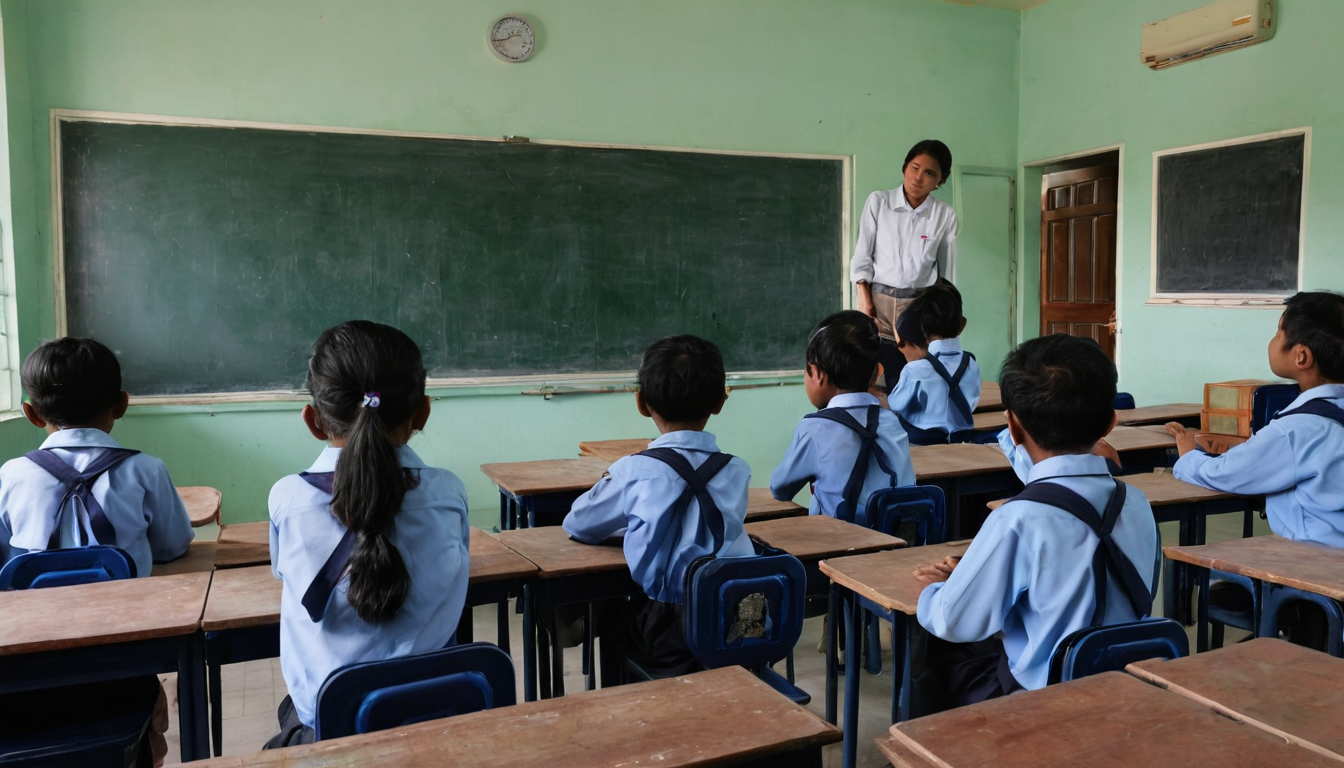
The recent decision to close schools under the new IPU 200 framework has sparked discussions among educators and parents. This article examines the reasons provided by Fadhlina, highlighting the emphasis on student well-being and operational balance.
Health and Safety Prioritization
Fadhlina emphasized that closing schools under IPU 200 is a measure to ensure the health and safety of students amidst environmental challenges such as haze. The directive aims to strike a balance between maintaining educational continuity and protecting children's welfare.
- School closures are part of health protocols.
- Balancing education with student safety is crucial.
Operational Balance in Education
According to reports from RTM News, there is a need to maintain an equilibrium between public health measures and uninterrupted learning processes. This approach ensures that while precautions are taken, academic progress does not suffer.
- Maintaining operations during crises.
- Ensuring continuous learning without compromising safety.
Parental Concerns Addressed
Fadhlina acknowledged parental worries regarding their children's exposure to hazardous conditions. She stressed adherence to NADMA guidelines, which provide clear directives for managing school operations during adverse weather or pollution levels.
- Parents' concerns about child safety are recognized.
- Compliance with established health guidelines is essential.
Conclusion
The closure of schools under IPU 200 reflects a strategic effort to prioritize health over routine operations. It underscores the importance of adaptive policies in ensuring both safety and educational outcomes.
Stay informed on how these decisions impact your institution and consider proactive steps to support student well-being.
Sources
Artikel berkaitan

RIMAYS insights
Jerebu: Semua Sekolah Di Negeri Sembilan Ditutup Esok
In response to rising haze levels, all schools in Negeri Sembilan will be closed tomorrow as announced by local authorities.
Ir. Ts. Dr. Mohamad Syamir bin Senin.
RIMAYS insights
Three Strategic Priorities to Strengthen National Economy
Exploring the key strategic priorities identified by Malaysian authorities to bolster economic resilience and competitiveness.
Ir. Ts. Dr. Mohamad Syamir bin Senin.
RIMAYS insights
RUU Pusat Data Dibentang ke Jemaah Menteri Tahun Depan
Malaysia is set to introduce the Central Data Act (RUU Pusat Data) in early 2027 as part of its digitalisation strategy.
Ir. Ts. Dr. Mohamad Syamir bin Senin.