
RIMAYS insights
Ekonomi Malaysia terjejas dengan ketara jika Selat Melaka alami gangguan
The Strait of Malacca's disruption could significantly impact Malaysia's economy, affecting trade and maritime activities.
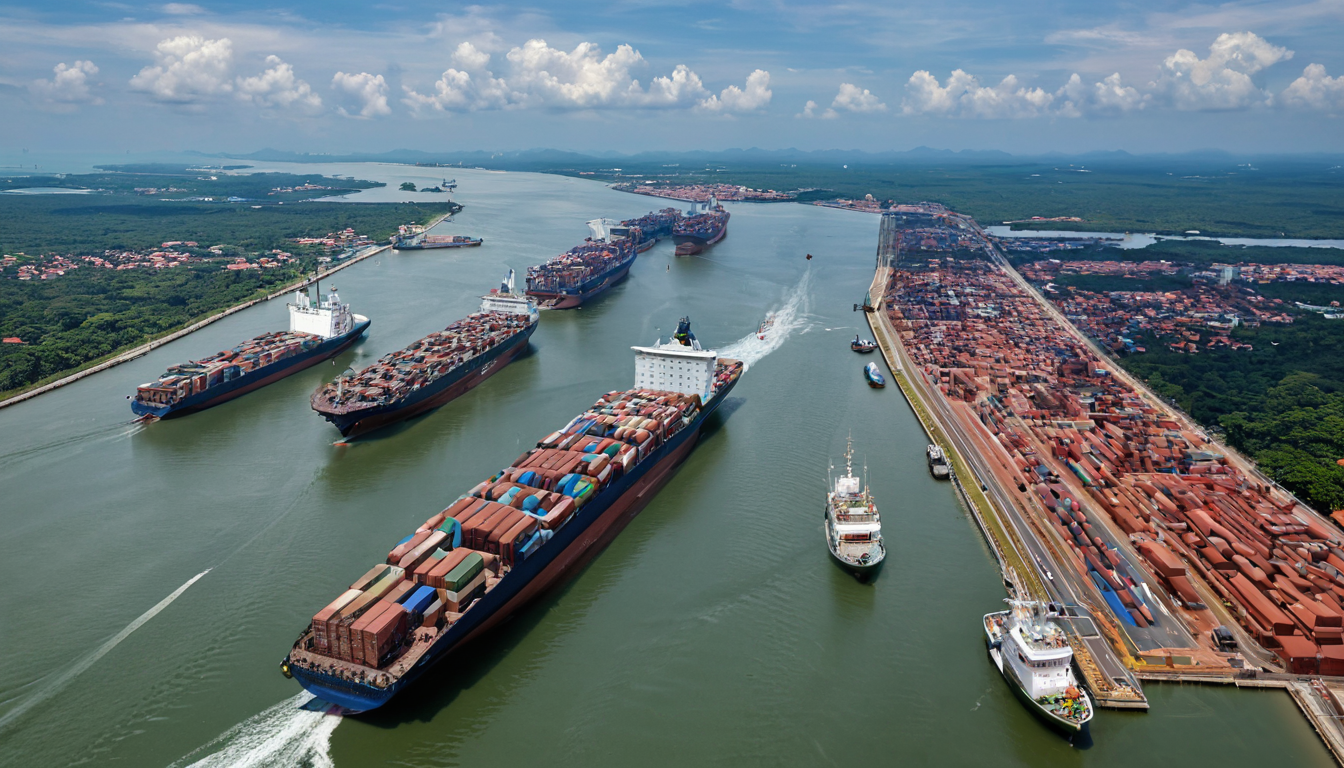
Malaysia's vital economic corridor, the Strait of Malacca, faces potential disruptions that could have far-reaching consequences for the nation's economy. This article explores how such an event might affect various sectors and what measures can be taken to mitigate risks.
Strait of Malacca: A Critical Economic Lifeline
As one of the world's busiest shipping lanes, the Strait of Malacca plays a crucial role in global trade. Any disruption here would directly impact Malaysia's export-import dynamics, particularly with key trading partners like China and Singapore. According to recent reports from BHarian (2026), there are growing concerns about the vulnerability of this strategic waterway. While no specific incidents were cited, experts warn that natural disasters, geopolitical tensions, or even cyber threats could pose significant challenges.
- Strait of Malacca is critical for international trade
- Disruptions could disrupt supply chains globally
- Vulnerability due to multiple threat factors
Impact on Malaysian Economy
A major incident in the Strait of Malacca could lead to delays in cargo shipments, increased transportation costs, and reduced efficiency in logistics operations. These effects may ripple through industries reliant on timely deliveries, including manufacturing and retail. The maritime sector itself could suffer losses if vessels are rerouted or delayed. Additionally, tourism-related businesses near the strait might experience decreased activity during prolonged disruptions.
- Supply chain delays affect various sectors
- Maritime industry faces operational challenges
- Tourism-dependent areas could see revenue drops
Mitigation Strategies and Preparedness
To minimize potential impacts, Malaysia needs robust contingency planning. This includes diversifying shipping routes, enhancing cybersecurity measures for port infrastructure, and investing in alternative transport modes such as rail and air freight. Collaboration between government agencies, private stakeholders, and international partners will be essential in developing resilient strategies against future risks.
- Diversify shipping routes for resilience
- Enhance cybersecurity for ports
- Invest in multi-modal transport solutions
Conclusion
While the Strait of Malacca remains a vital artery for global commerce, its vulnerability highlights the need for proactive risk management. By adopting comprehensive preparedness plans, Malaysia can safeguard its economic interests amidst uncertainties.
Stay informed about safety protocols and business continuity planning with RIMAYS.
Artikel berkaitan

RIMAYS insights
Jerebu: Semua Sekolah Di Negeri Sembilan Ditutup Esok
In response to rising haze levels, all schools in Negeri Sembilan will be closed tomorrow as announced by local authorities.
Ir. Ts. Dr. Mohamad Syamir bin Senin.
RIMAYS insights
Three Strategic Priorities to Strengthen National Economy
Exploring the key strategic priorities identified by Malaysian authorities to bolster economic resilience and competitiveness.
Ir. Ts. Dr. Mohamad Syamir bin Senin.
RIMAYS insights
RUU Pusat Data Dibentang ke Jemaah Menteri Tahun Depan
Malaysia is set to introduce the Central Data Act (RUU Pusat Data) in early 2027 as part of its digitalisation strategy.
Ir. Ts. Dr. Mohamad Syamir bin Senin.