
RIMAYS insights
Kerajaan bangun sistem data raya bantu M40 miliki rumah sesuai kemampuan - Nga Kor Ming
The Malaysian government is developing a data system to assist the M40 group in purchasing homes that align with their financial capabilities.
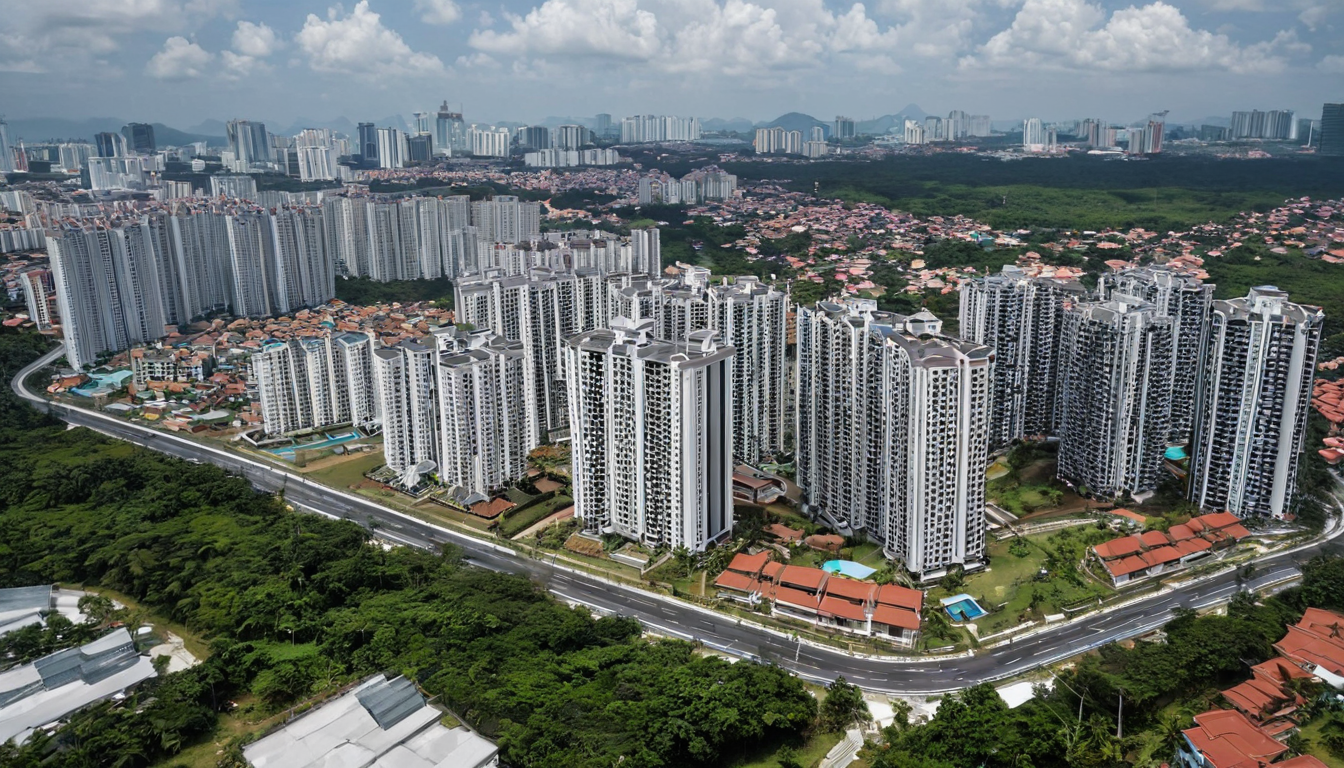
In an effort to address housing affordability issues for middle-income earners, the Malaysian government has announced plans to implement a comprehensive data-driven approach through its Ministry of Housing and Local Government. This initiative aims to provide targeted support to ensure that individuals within the M40 demographic can access suitable housing options without overextending their budgets. This development comes as part of broader economic strategies aimed at improving living standards across various sectors, including construction and real estate. The move reflects growing recognition of the need for tailored solutions in addressing socio-economic challenges faced by Malaysia's working population.
Government Initiative for Affordable Housing Access
The announcement was made by Deputy Minister of Housing and Local Government, Nga Kor Ming, who emphasized the importance of creating equitable opportunities for home ownership among Malaysians. According to reports from BHARANI.com.my (2026-07-15), this project will involve collecting detailed socioeconomic data on households belonging to the M40 category - those earning between RM3,000 to RM8,000 per month. By analyzing income patterns alongside property market trends, officials hope to identify potential gaps where affordable housing initiatives might be most effective. While specific details about implementation timelines remain unclear, stakeholders suggest that pilot programs could begin before year-end 2026.
- Development of a centralized database targeting middle-income earners
- Integration of financial capability assessments with housing needs analysis
- Potential launch of pilot projects prior to end-of-year 2026
Implications for Real Estate Market Dynamics
Industry experts anticipate significant shifts within the Malaysian real estate sector as policymakers seek to balance affordability concerns with sustainable development goals. With increased transparency around buyer profiles, developers may adjust pricing strategies or introduce more flexible financing options tailored specifically toward M40 demographics. However, challenges persist regarding how effectively such measures can mitigate rising living costs without negatively impacting overall economic growth rates. As noted by several analysts during recent industry forums held in Kuala Lumpur last week, there remains uncertainty over whether these interventions alone suffice against broader macroeconomic pressures affecting both residential and commercial properties alike.
- Anticipated changes in real estate pricing strategies due to targeted demographic data
- Need for balanced approach between affordability improvements and economic stability
- Uncertainty surrounding long-term effectiveness amidst macroeconomic factors
Opportunities for RIMAYS Customers and SMEs
For businesses operating within Malaysia's construction and property sectors, this initiative presents unique opportunities for innovation and service customization. Companies like RIMAYS could leverage insights from government datasets to better understand customer preferences related to home design features, location priorities, and budget constraints. Moreover, smaller enterprises might explore partnerships with public agencies involved in housing programs - potentially opening avenues for joint ventures focused on affordable housing solutions. While direct collaboration details have yet to be disclosed publicly, early engagement with relevant stakeholders appears crucial for maximizing benefits associated with upcoming policy implementations.
- Potential for enhanced market understanding through access to aggregated socioeconomic data
- Possibility of strategic collaborations between private entities and public housing initiatives
- Importance of proactive stakeholder engagement ahead of formal program launches
Conclusion
As the Malaysian government moves forward with its plan to support middle-income households in achieving homeownership goals, it underscores a commitment towards inclusive growth across all socio-economic strata. For organizations such as RIMAYS, staying informed about evolving regulatory landscapes while adapting services accordingly will remain essential in navigating future developments impacting both residential development projects and client satisfaction outcomes.
Stay updated with RIMAYS for more insights into how emerging policies shape your business landscape.
Artikel berkaitan

Garis Panduan CDM Edisi 2026
CDM 2026 · 29 of 52
Kestabilan Struktur: Kerja Sementara, Penyangga dan Urutan
Panduan Peraturan 21 untuk reka bentuk kerja sementara, laluan beban, pemeriksaan dan penanggalan terkawal.
Ir. Ts. Dr. Mohamad Syamir bin Senin.
Garis Panduan CDM Edisi 2026
CDM 2026 · 28 of 52
Aturan dan Sekuriti Tapak: Lindungi Pekerja dan Orang Awam
Panduan Peraturan 20 untuk kekemasan, kebersihan, pemagaran, penandaan serta kawalan antara muka awam.
Ir. Ts. Dr. Mohamad Syamir bin Senin.
Garis Panduan CDM Edisi 2026
CDM 2026 · 27 of 52
Tempat Kerja Pembinaan Yang Selamat: Akses, Tepi dan Bukaan
Panduan Peraturan 19 untuk mengawal akses, jalan keluar, tepi, bukaan lantai dan ruang kerja mengikut keadaan sebenar tapak.
Ir. Ts. Dr. Mohamad Syamir bin Senin.