
RIMAYS insights
Protes Belia: Menteri Pendidikan India Umum Letak Jawatan
The Indian Minister of Education has resigned amid widespread youth protests, sparking discussions on education reform and government accountability.
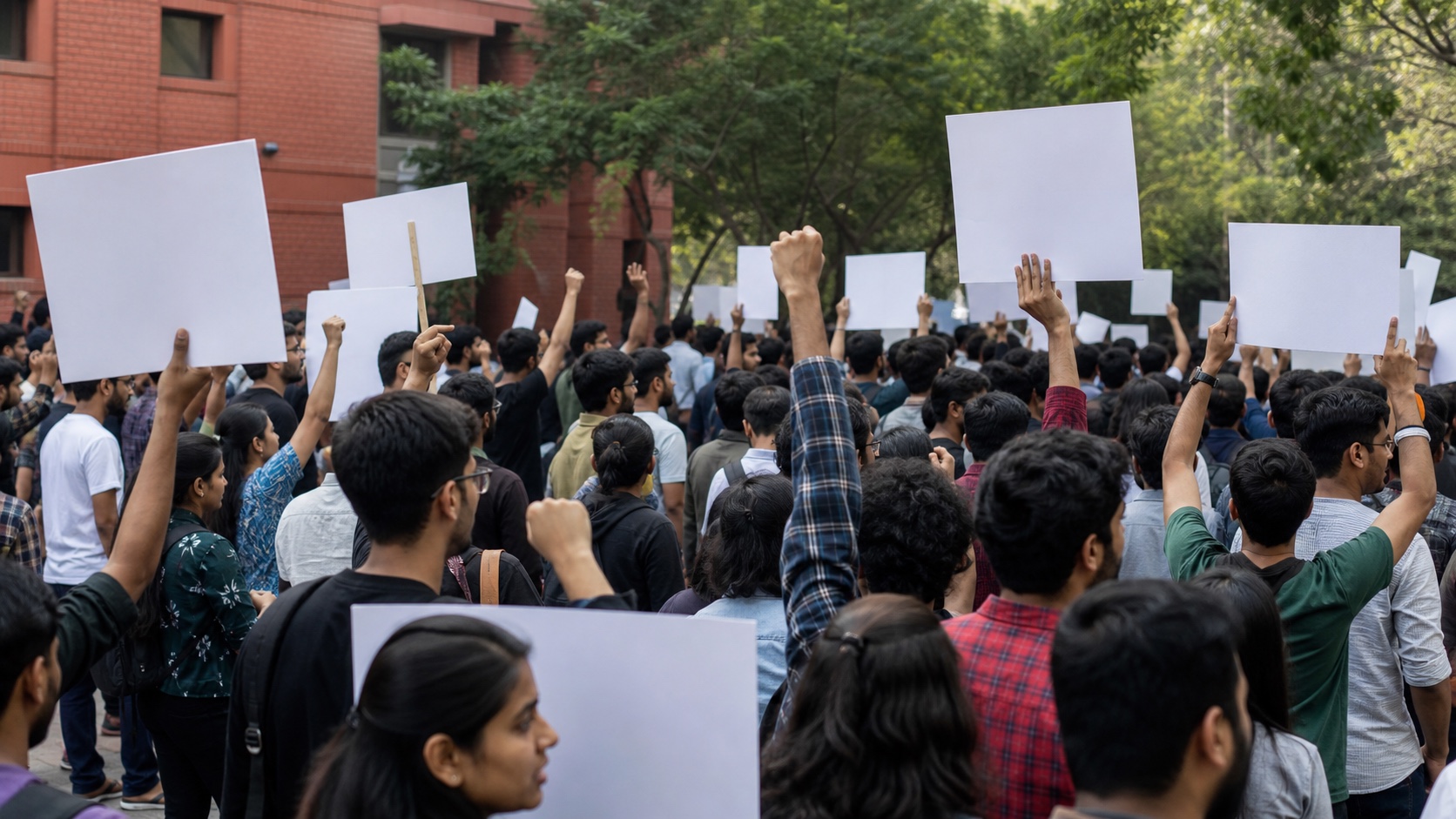
In a significant development, the Indian Minister of Education recently announced his resignation following intense pressure from student demonstrations across the country. This event highlights growing concerns among young people regarding educational policies and their impact on future opportunities. This article explores the context behind the minister's decision, the nature of the protests, and what this means for India’s educational landscape.
Background to the Resignation
The resignation of the Indian Minister of Education comes after months of escalating tensions between students and authorities over issues such as curriculum reforms, university funding cuts, and perceived lack of transparency in policy-making processes. Protests have been organized by various student unions and civil society groups demanding greater representation in academic governance and improved access to quality education. While official statements have attributed the resignations to internal administrative decisions, many observers believe that external pressures from demonstrators played a crucial role in shaping the outcome.
- Resignation linked to youth-led protests
- Curriculum reforms and funding disputes highlighted
- Calls for increased student participation in governance
Nature of the Youth Protests
Student protesters have employed diverse tactics ranging from peaceful sit-ins at universities to more confrontational actions like blocking roads and occupying campus buildings. These demonstrations often involve large crowds with slogans advocating for better educational infrastructure, fairer admission systems, and reduced tuition fees. Social media has become an essential tool for organizing these movements, allowing activists to mobilize support quickly across different states within India. However, some incidents have resulted in clashes with law enforcement, raising concerns about public safety during mass gatherings.
- Diverse protest methods used by students
- Role of social media in coordination
- Occasional conflicts with security forces
Implications for Education Policy
The resignation may lead to renewed discussions on how to balance institutional authority with grassroots demands. Educational experts suggest that this situation presents both challenges and opportunities for reforming higher education policies in India. Potential outcomes include revised curriculum frameworks, enhanced dialogue mechanisms between stakeholders, or even structural changes in university management models. While specific policy shifts remain uncertain, there is growing recognition among policymakers of the need for greater engagement with young people in shaping future directions for education.
- Possible policy revisions post-resignation
- Need for stakeholder collaboration
- Uncertainty regarding concrete reforms
Conclusion
This development marks a pivotal moment in India's ongoing efforts to address youth grievances related to education. As new leadership takes over, it will be crucial to monitor whether meaningful progress can be made toward creating more inclusive and responsive educational systems.
Stay informed about developments in Indian education policy through RIMAYS resources and expert analyses.
Artikel berkaitan

Garis Panduan CDM Edisi 2026
CDM 2026 · 29 of 52
Kestabilan Struktur: Kerja Sementara, Penyangga dan Urutan
Panduan Peraturan 21 untuk reka bentuk kerja sementara, laluan beban, pemeriksaan dan penanggalan terkawal.
Ir. Ts. Dr. Mohamad Syamir bin Senin.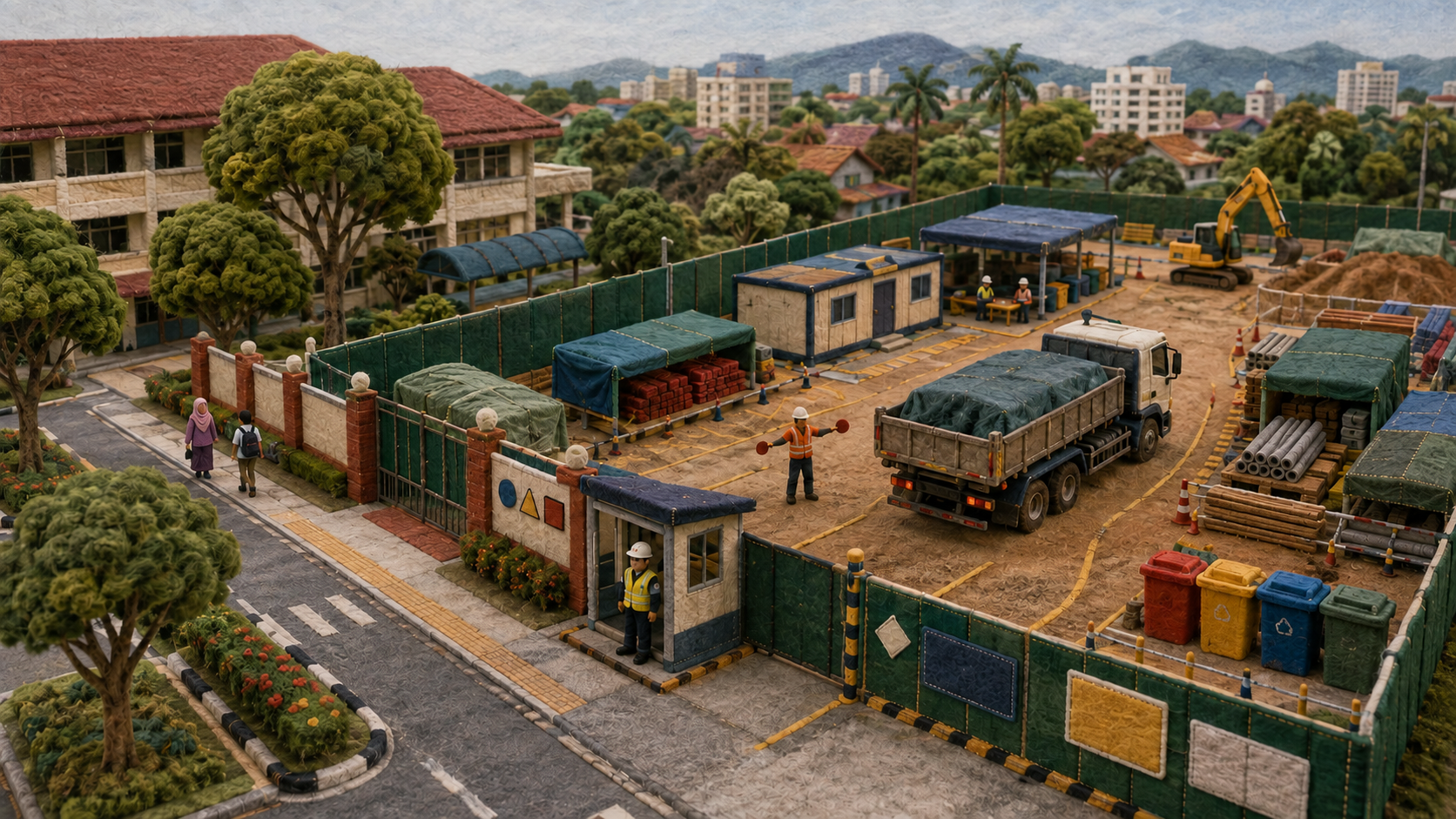
Garis Panduan CDM Edisi 2026
CDM 2026 · 28 of 52
Aturan dan Sekuriti Tapak: Lindungi Pekerja dan Orang Awam
Panduan Peraturan 20 untuk kekemasan, kebersihan, pemagaran, penandaan serta kawalan antara muka awam.
Ir. Ts. Dr. Mohamad Syamir bin Senin.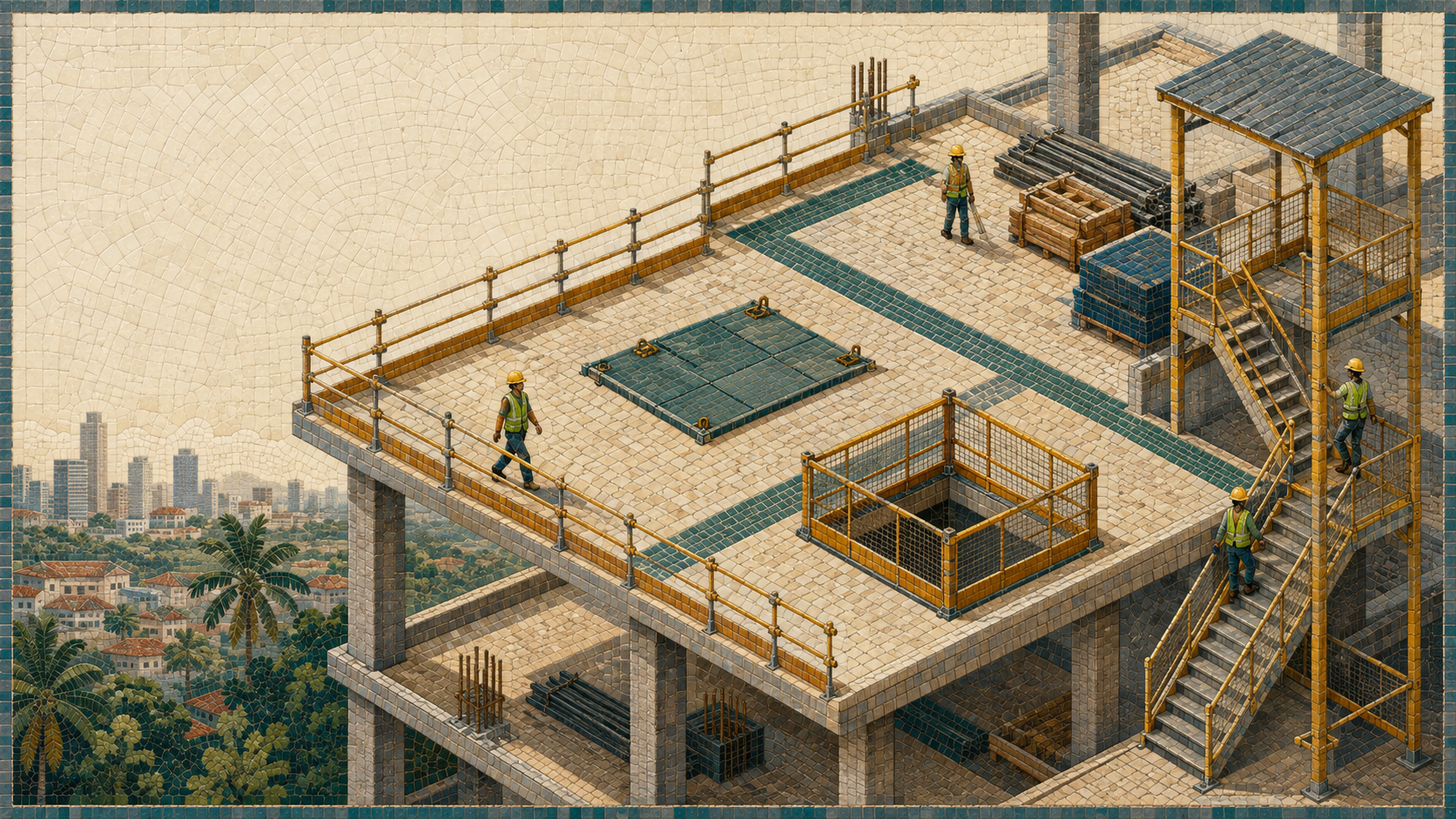
Garis Panduan CDM Edisi 2026
CDM 2026 · 27 of 52
Tempat Kerja Pembinaan Yang Selamat: Akses, Tepi dan Bukaan
Panduan Peraturan 19 untuk mengawal akses, jalan keluar, tepi, bukaan lantai dan ruang kerja mengikut keadaan sebenar tapak.
Ir. Ts. Dr. Mohamad Syamir bin Senin.