
RIMAYS insights
RM1 Billion Allocation Strengthens Public Health Digital Capabilities - PM
Malaysia's Prime Minister has announced a RM1 billion allocation to enhance digital capabilities in the public health sector, aiming to improve service delivery and patient outcomes through technology.
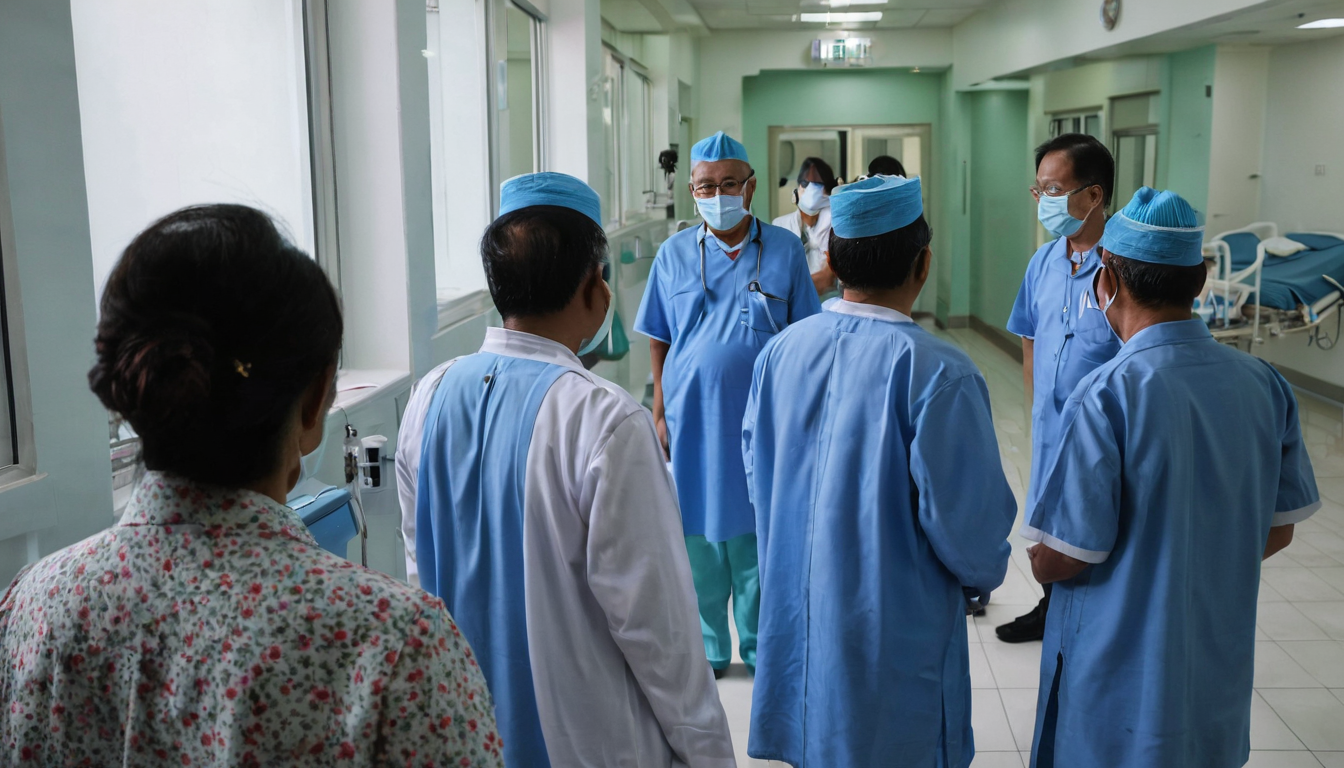
In an effort to modernize Malaysia's healthcare system, the Prime Minister has unveiled a significant financial commitment of RM1 billion aimed at bolstering digital infrastructure within the public health sector. This initiative is part of broader efforts to ensure that technological advancements are leveraged effectively for better health outcomes. The announcement comes amid growing recognition of the critical role that digital transformation plays in enhancing efficiency, accessibility, and quality of care across various sectors, including healthcare. With this investment, Malaysia aims to position itself as a leader in leveraging digital solutions for public health challenges.
Government Commitment to Digital Transformation
Prime Minister Anwar Ibrahim highlighted during his recent address that the RM1 billion allocation will be directed towards strengthening the digital readiness of the public health sector. The focus areas include upgrading existing systems, expanding telemedicine services, and integrating advanced data analytics into routine operations. These measures are intended to streamline administrative processes while ensuring timely access to medical information for both patients and professionals.
- RM1 billion allocated for digital enhancement
- Focus on upgrading systems and expanding telemedicine
- Integration of data analytics
Enhancing Healthcare Accessibility Through Technology
By investing in digital tools such as electronic health records (EHRs) and remote monitoring technologies, the government seeks to make healthcare more accessible to citizens nationwide. According to reports from Harian Metro, these initiatives aim to reduce disparities in service delivery by enabling real-time patient tracking and improving coordination among different levels of care providers.
- Investment in EHRs and remote monitoring tech
- Reducing service delivery disparities
- Improving inter-provider coordination
Challenges and Opportunities Ahead
While the initiative presents significant opportunities for innovation and improved efficiency, it also poses several challenges related to implementation, cybersecurity, and workforce training. Berita Harian notes that successful execution requires not only financial resources but also strategic planning and stakeholder collaboration to ensure seamless integration across all facets of the healthcare ecosystem. The allocation is expected to catalyze further investments in research and development, fostering a culture of continuous improvement within the public health sector. This approach aligns with global trends towards smart healthcare solutions that prioritize patient-centricity and operational excellence.
- Implementation challenges include cybersecurity and training
- Need for strategic planning and collaboration
- Encouragement of R&D investment
Conclusion
Malaysia's RM1 billion commitment marks a pivotal step toward achieving a digitally advanced public health system capable of meeting contemporary medical demands efficiently. As this transformation unfolds, ongoing evaluation and adaptation will be crucial to maximizing its impact on national health outcomes.
Stay informed about how Malaysia's digital health initiatives are shaping future healthcare standards by following Rimays' latest updates.
Sources
Artikel berkaitan

Garis Panduan CDM Edisi 2026
CDM 2026 · 29 of 52
Kestabilan Struktur: Kerja Sementara, Penyangga dan Urutan
Panduan Peraturan 21 untuk reka bentuk kerja sementara, laluan beban, pemeriksaan dan penanggalan terkawal.
Ir. Ts. Dr. Mohamad Syamir bin Senin.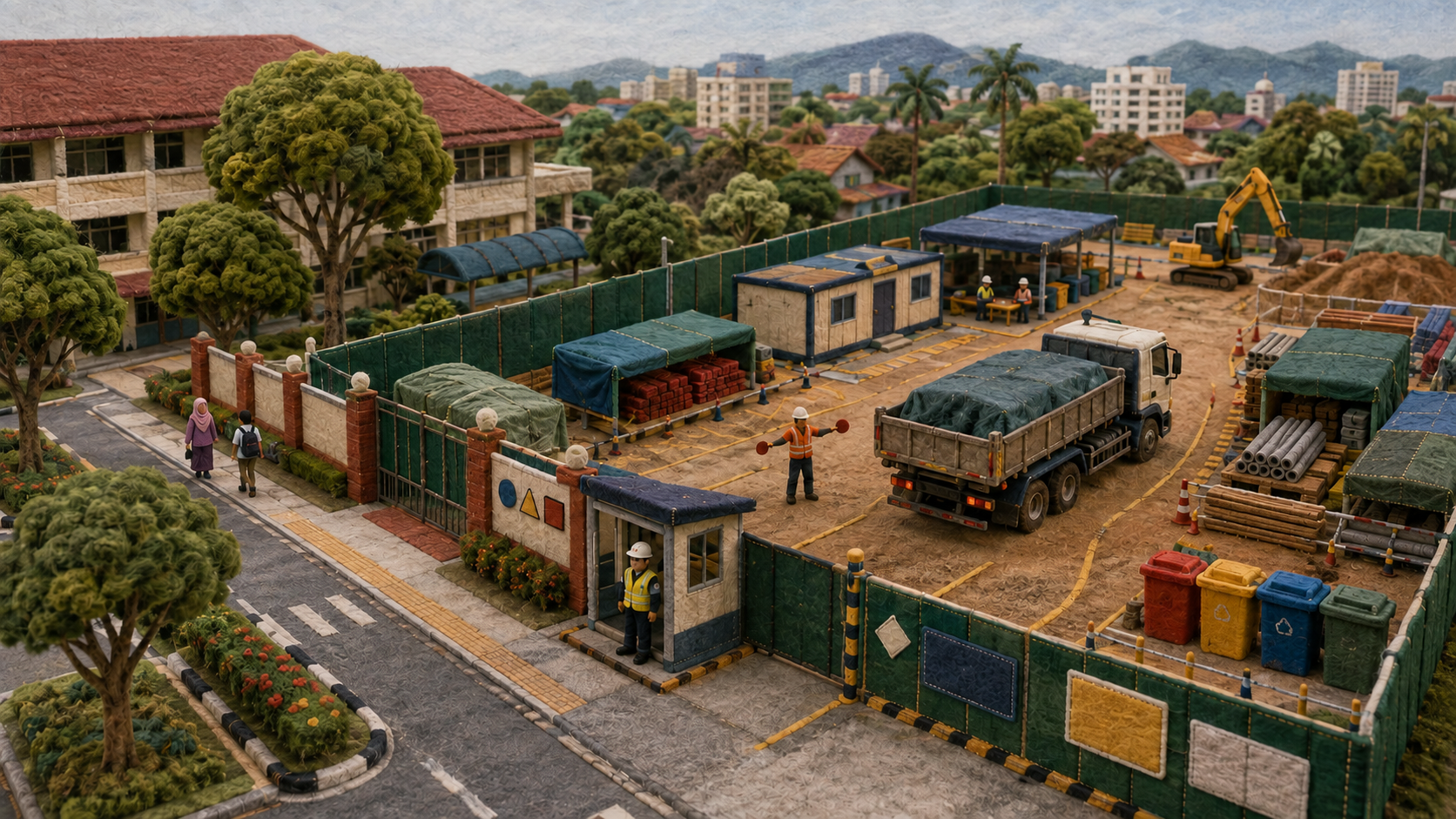
Garis Panduan CDM Edisi 2026
CDM 2026 · 28 of 52
Aturan dan Sekuriti Tapak: Lindungi Pekerja dan Orang Awam
Panduan Peraturan 20 untuk kekemasan, kebersihan, pemagaran, penandaan serta kawalan antara muka awam.
Ir. Ts. Dr. Mohamad Syamir bin Senin.
Garis Panduan CDM Edisi 2026
CDM 2026 · 27 of 52
Tempat Kerja Pembinaan Yang Selamat: Akses, Tepi dan Bukaan
Panduan Peraturan 19 untuk mengawal akses, jalan keluar, tepi, bukaan lantai dan ruang kerja mengikut keadaan sebenar tapak.
Ir. Ts. Dr. Mohamad Syamir bin Senin.