
Garis Panduan CDM Edisi 2026
CDM Interpretation 1: The Pre-construction Phase Can Continue During Construction
CDM 2026 · 3 of 52
Practical guidance for controlling design changes when pre-construction work continues during construction.
Six-slide briefing
The guideline at a glance
Slide 1 / 6
CDM 2026
Regulation 3
Pre-construction is not a fixed date
It is the period when design or preparatory work is completed; it may continue after the construction phase begins.
- Look at the activity under way
- Track design decisions
- Do not close the phase merely because site work started
Manage the phase by work, not calendar dates.
Use the buttons, dots or left/right arrow keys. This briefing summarises the guideline; the article and official source remain the detailed references.
CDM 2026 Series — Topic 3 of 52. This is general industry guidance and should be read with current legislation and DOSH directions.
Site mobilisation does not necessarily end the pre-construction phase. Under Malaysia’s Occupational Safety and Health (Construction Work) (Design and Management) Regulations 2024, the pre-construction phase is the period during which design or preparatory work for a project is carried out. The CDM Guidelines 2026 explain that it may continue during the construction phase.
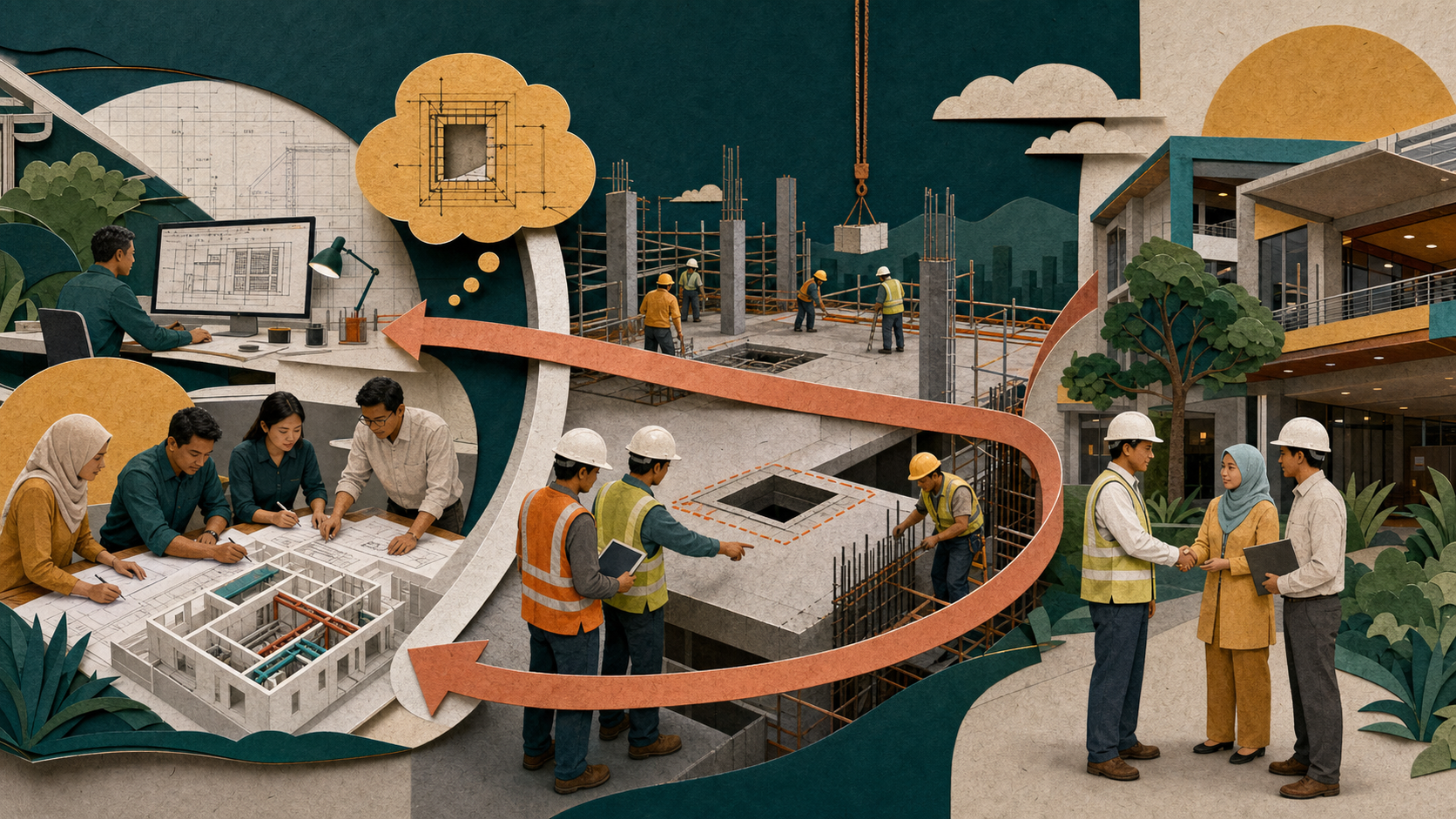
In practice, a service clash, unexpected ground condition, material substitution or client change can restart design work. The change must return through risk review and coordination before implementation.
Why this interpretation matters
A common error is treating design as “complete” once IFC information is issued. A change instruction, RFI, site sketch or product substitution may itself be design when it changes a specification, calculation, arrangement, sequence or how a structure is constructed. The document label is not decisive; the function of the decision is.
The CWD or PCWD therefore resumes design coordination, while the CWC or PCWC ensures that the CPP and work controls are updated before the affected work is released.
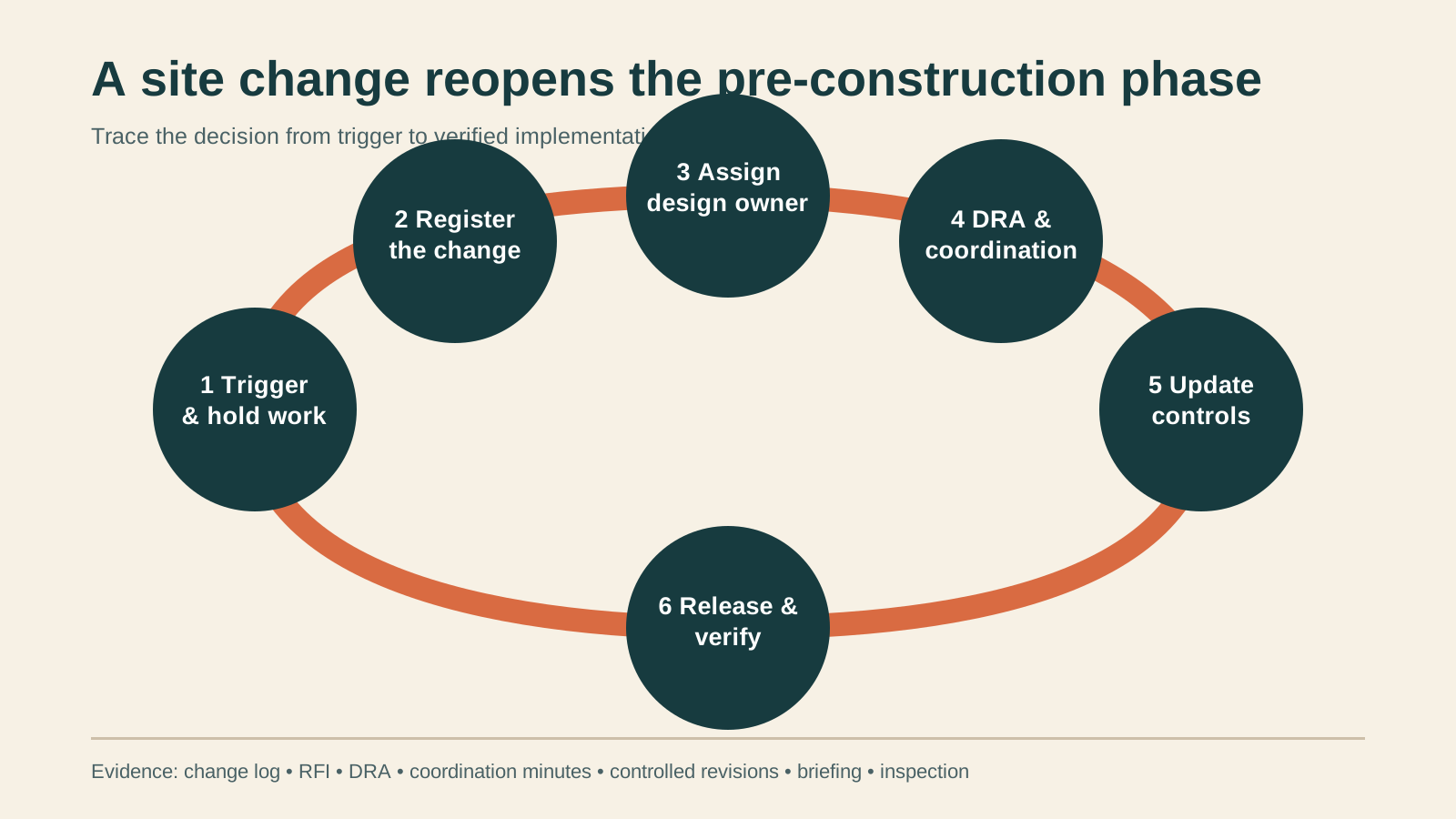
A six-step compliance flow
- Hold or isolate affected work. Do not proceed on a verbal instruction.
- Register the trigger. Identify the RFI, NCR, BIM clash, actual site condition or change request.
- Assign design ownership. Identify the competent designer and those controlling the decision.
- Perform design risk assessment (DRA). Eliminate hazards where reasonably practicable; otherwise reduce and communicate significant residual risk.
- Coordinate and update. Check discipline interfaces, PCI, risk register, CPP, method statements, permits and the relevant Safety and Health File information.
- Release and verify. Issue controlled information, withdraw obsolete copies, brief the team and inspect implementation.
Practical example — a service opening in a slab
Illustrative example for guidance; not a report of an actual incident. During M&E installation in a Selangor commercial building, a contractor finds that a duct cannot follow its original route. The initial proposal is to cut a new opening through a completed slab.
The PCWC holds cutting and raises an RFI. The structural engineer checks reinforcement, capacity and strengthening; the M&E designer tests an alternative route; the PCWD coordinates both disciplines and records the DRA. The team selects a route avoiding the beam, fixes the opening size and location, specifies reinforcement detection and agrees the sequence. The PCWC then updates the method statement and permit, withdraws the old drawing, briefs supervisors and verifies the set-out before cutting.
The lesson is not that every change has the same solution. It is that a site decision changing design must return to people with the competence and control to assess and coordinate its risks.
Evidence to retain
- change register linking trigger, owner, date and status;
- RFI, client instruction, site-condition record or clash report;
- DRA, calculations, option review and decision rationale;
- coordination minutes and interdisciplinary check records;
- drawings, specifications and method statements with revisions;
- distribution, obsolete-document withdrawal and briefing records;
- release inspection and relevant as-built/Safety and Health File records.
Common failures
- a site engineer sketches a change without the relevant designer’s review;
- a substitution is approved for cost but not assessed for risk;
- the DRA is produced after completion;
- a new drawing is issued but the method statement or CPP remains unchanged;
- night shift or subcontractors retain obsolete copies;
- residual risk stays in minutes and never reaches those controlling the work.
Change-release checklist
- [ ] Affected work is identified and controlled.
- [ ] Trigger and change scope are recorded.
- [ ] The correct designer and CWD/PCWD are involved.
- [ ] DRA and interface checks are complete.
- [ ] PCI, CPP, method statement and S&H File are updated where relevant.
- [ ] Obsolete versions are withdrawn and recipients confirmed.
- [ ] Briefing, permits and release inspection are complete.
Primary references
- DOSH — Guidelines on Occupational Safety and Health in Construction (CDM), 2026 Edition
- OSH (Construction Work) (Design and Management) Regulations 2024, Regulations 3 and 8
- Occupational Safety and Health Act 1994 (Act 514)
Consult current legislation and official DOSH publications. This article is general industry guidance, not legal advice.
Related articles
Garis Panduan CDM Edisi 2026
CDM 2026 · 29 of 52
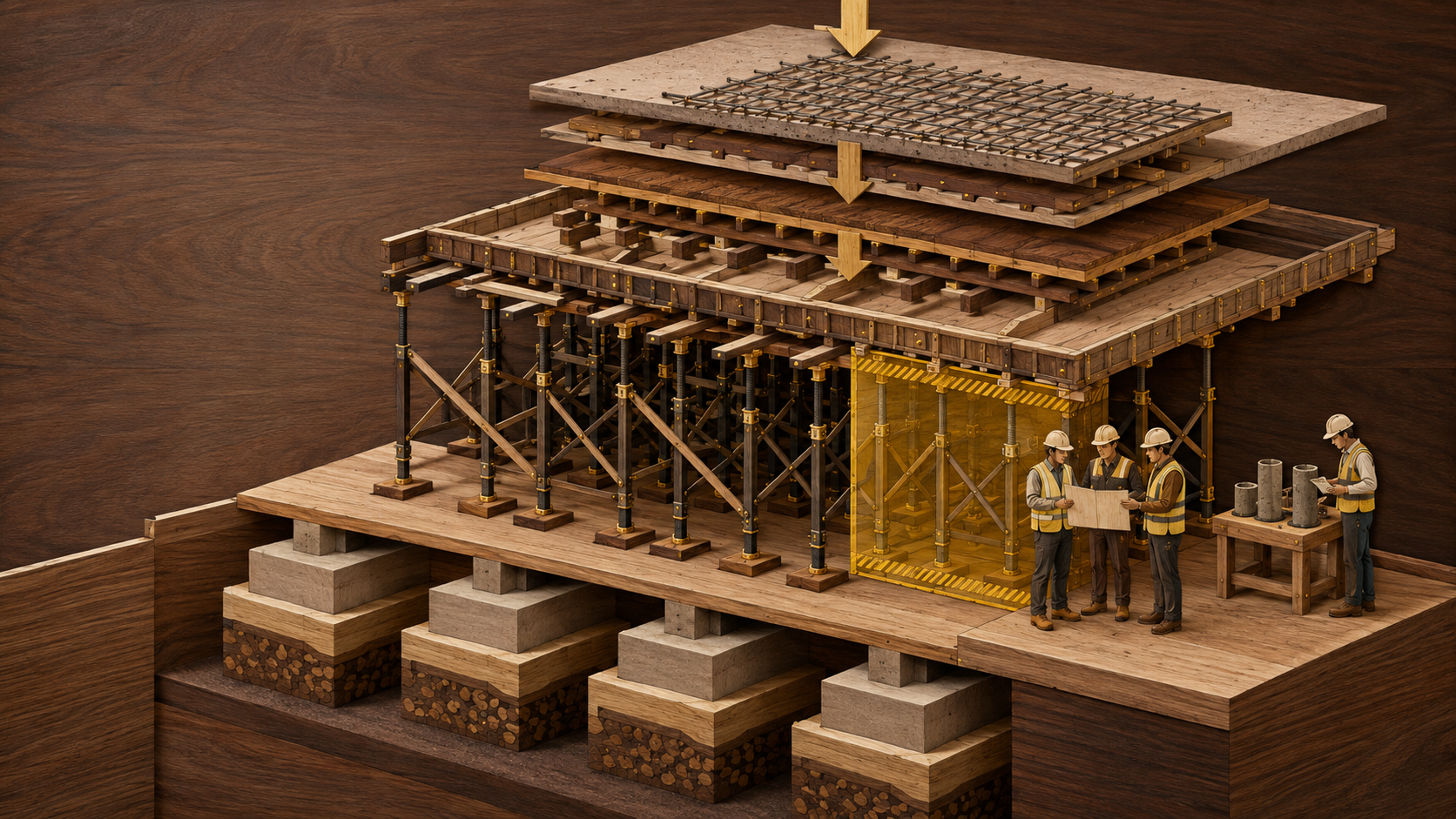
Kestabilan Struktur: Kerja Sementara, Penyangga dan Urutan
Panduan Peraturan 21 untuk reka bentuk kerja sementara, laluan beban, pemeriksaan dan penanggalan terkawal.
Ir. Ts. Dr. Mohamad Syamir bin Senin.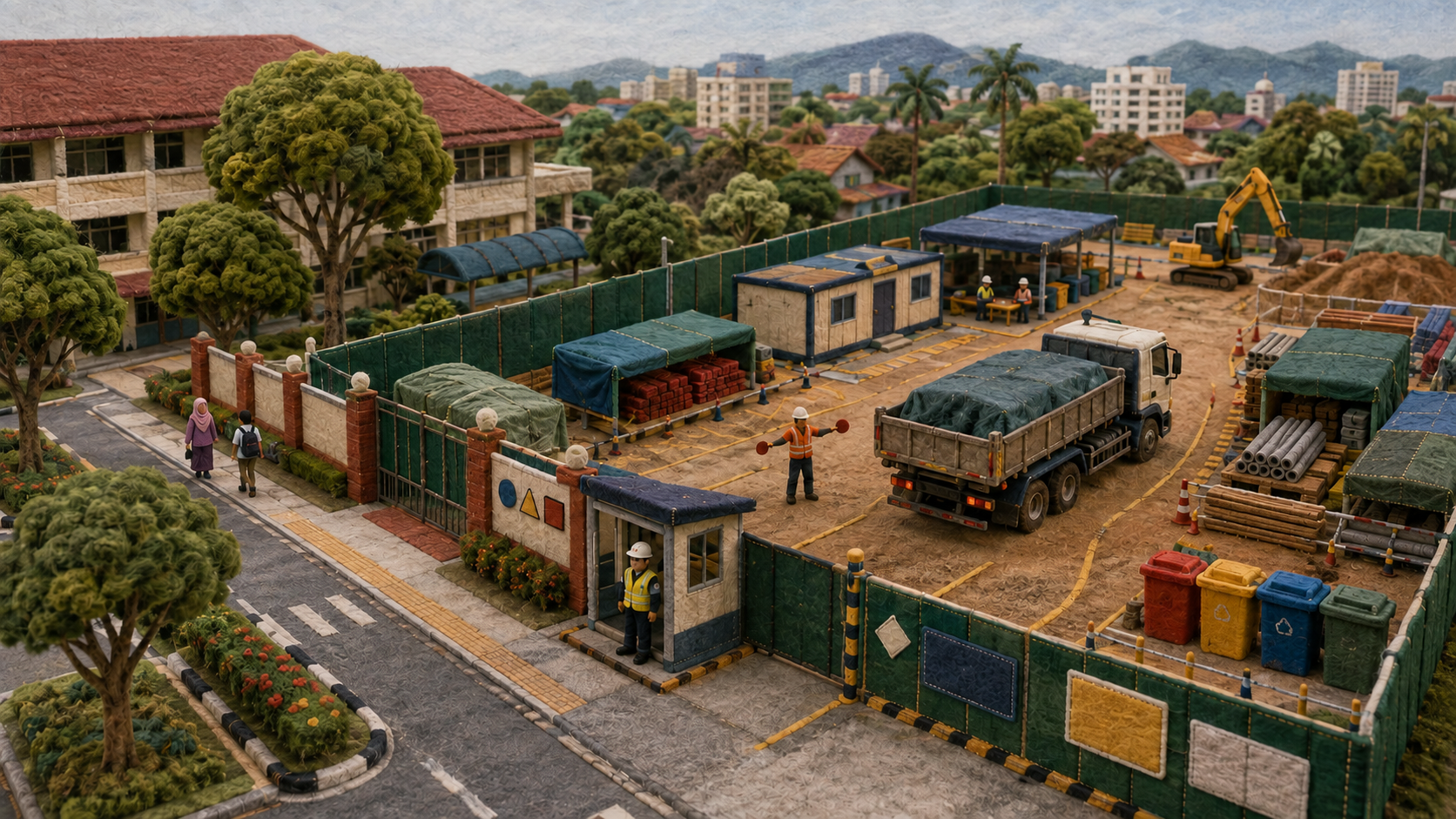
Garis Panduan CDM Edisi 2026
CDM 2026 · 28 of 52
Aturan dan Sekuriti Tapak: Lindungi Pekerja dan Orang Awam
Panduan Peraturan 20 untuk kekemasan, kebersihan, pemagaran, penandaan serta kawalan antara muka awam.
Ir. Ts. Dr. Mohamad Syamir bin Senin.
Garis Panduan CDM Edisi 2026
CDM 2026 · 27 of 52
Tempat Kerja Pembinaan Yang Selamat: Akses, Tepi dan Bukaan
Panduan Peraturan 19 untuk mengawal akses, jalan keluar, tepi, bukaan lantai dan ruang kerja mengikut keadaan sebenar tapak.
Ir. Ts. Dr. Mohamad Syamir bin Senin.